The Convergence of AI, IoT, and Big Data: Trends for 2025
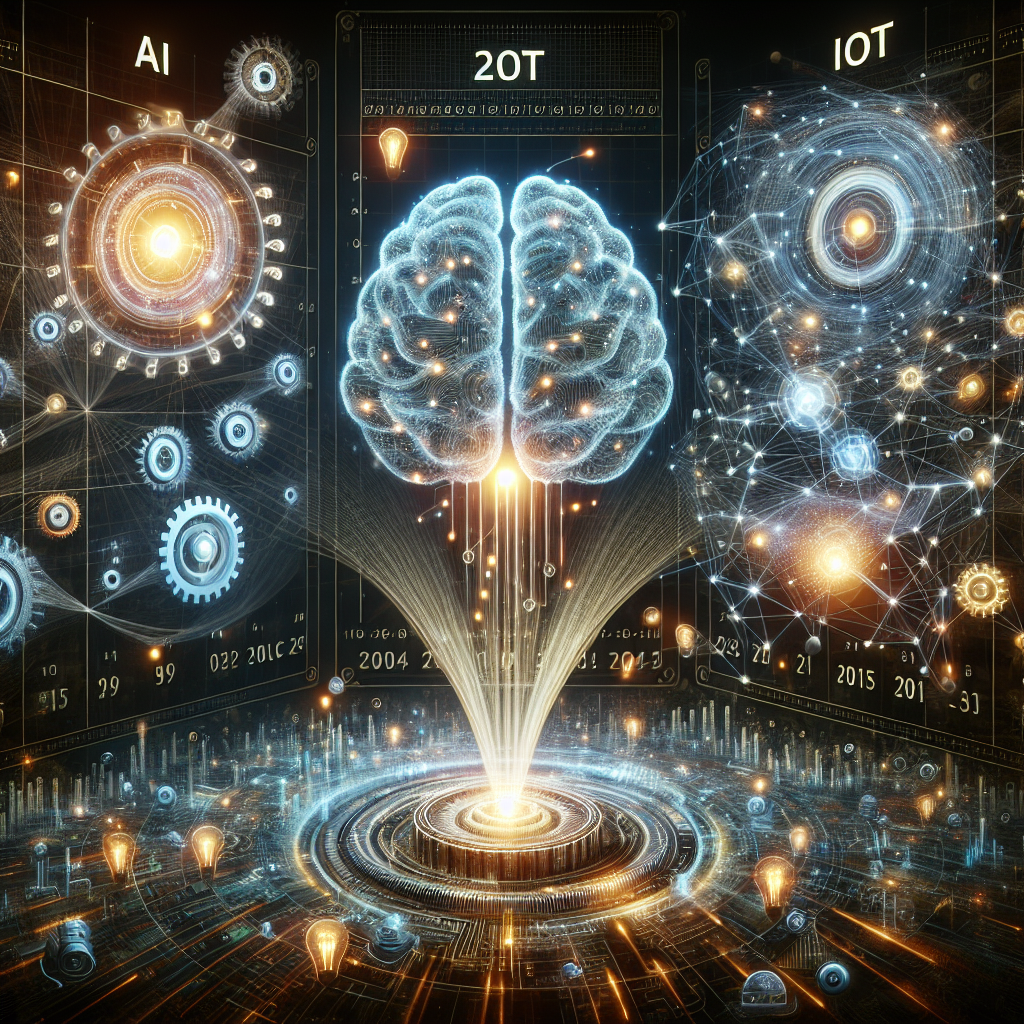
The convergence of Artificial Intelligence (AI), the Internet of Things (IoT), and Big Data is transforming industries and redefining technological capabilities. As we move towards 2025, understanding the trends and implications of this convergence becomes crucial for both businesses and consumers. This article explores the emerging trends, use cases, pros and cons, and key takeaways regarding this powerful triplet of technologies.
Current Trends in AI, IoT, and Big Data
As we approach 2025, several trends are shaping the way AI, IoT, and Big Data interact:
- Increased Automation: Combining these technologies allows for advanced automation in various sectors, including manufacturing and healthcare.
- Enhanced Data Analytics: The integration enables real-time data analysis for better decision-making.
- Improved Security: AI-driven security solutions are becoming essential for protecting IoT devices against cyber threats.
- Smart Cities: Cities are increasingly adopting this convergence to improve infrastructure, traffic management, and public safety.
Comparison of AI, IoT, and Big Data
| Technology | Description | Key Use Cases | Challenges |
|---|---|---|---|
| Artificial Intelligence | Machines simulating human intelligence. | Predictive analytics, image recognition. | Ethical issues and data privacy. |
| Internet of Things | Network of physical devices connected to the internet. | Smart homes, wearable tech. | Interoperability and latency issues. |
| Big Data | Massive datasets that require advanced processing. | User behavior analytics, real-time insights. | Data management and storage costs. |
Real-World Examples and Benchmarks
1. Predictive Maintenance in Manufacturing
Companies like GE are utilizing AI and IoT to predict equipment failures before they happen, reducing downtime and maintenance costs. For instance, GE’s predictive analytics can lead to savings of up to 10-20% in maintenance costs.
2. Smart Cities Initiatives
Cities such as Barcelona are integrating IoT sensors to monitor air quality and traffic conditions, producing more sustainable urban environments. The project has resulted in a 25% reduction in energy consumption.
Use Cases of the Convergence
The integration of AI, IoT, and Big Data has a multitude of applications:
- Healthcare: Wearable devices monitor patient vitals, AI analyzes the data for anomalies, and big data helps manage patient records efficiently.
- Retail: Smart shelves equipped with IoT sensors track inventory levels, AI predicts customer behavior, improving stock management and sales forecasting.
- Transportation: GPS and traffic sensor data guided by AI can optimize routing and reduce congestion.
Step-by-Step Implementation Guide
If your organization is looking to implement technologies at the convergence of AI, IoT, and Big Data, follow these steps:
- Identify Business Goals: Determine what you want to achieve (e.g., cost reduction, improved customer service).
- Assess Current Infrastructure: Evaluate your existing technologies and identify gaps.
- Choose Suitable IoT Devices: Select devices that meet your needs (e.g., sensors, cameras).
- Integrate AI Solutions: Implement AI systems for data analytic purposes.
- Establish Data Management Protocols: Ensure efficient data collection and processing pipelines.
- Monitor and Adjust: Continuously assess the system’s performance and make data-driven adjustments.
Pros & Cons
Pros:
- Enhanced operational efficiency and decision-making.
- Ability to analyze and utilize vast amounts of data.
- Improved predictive capabilities leading to timely actions.
Cons:
- Complexity of integration can be challenging.
- Potential for significant upfront investment.
- Concerns over data security and player accountability.
Key Takeaways
- The convergence of AI, IoT, and Big Data offers transformative opportunities across industries.
- Real-time analytics can enhance decision-making and operational efficiency.
- Improved predictive capabilities can significantly reduce costs and increase productivity.
- Implementing these technologies requires careful planning and investment in infrastructure.
Conclusion
As we look forward to 2025, the convergence of AI, IoT, and Big Data will continue to shape the technological landscape, presenting both challenges and enormous potential. Organizations that strategically harness these technologies will be better positioned to thrive in a rapidly changing world.
FAQs
1. What industries will be most affected by this convergence?
Industries like healthcare, manufacturing, transportation, and retail are likely to see the most significant transformations.
2. What are the main challenges in implementing these technologies?
Challenges include data security, integration complexity, and the need for substantial investment.
3. How can small businesses take advantage of AI, IoT, and Big Data?
Small businesses can start with scalable solutions and gradually integrate these technologies based on their business needs.
4. Will data privacy be a concern as these technologies evolve?
Yes, data privacy will remain a major concern; businesses must prioritize ethical data management practices.
5. What should organizations focus on first during implementation?
Organizations should first focus on identifying their specific business goals and assessing their current technological infrastructure.
For further discussions on this topic, feel free to Discuss on the FileDevice Forum.
