
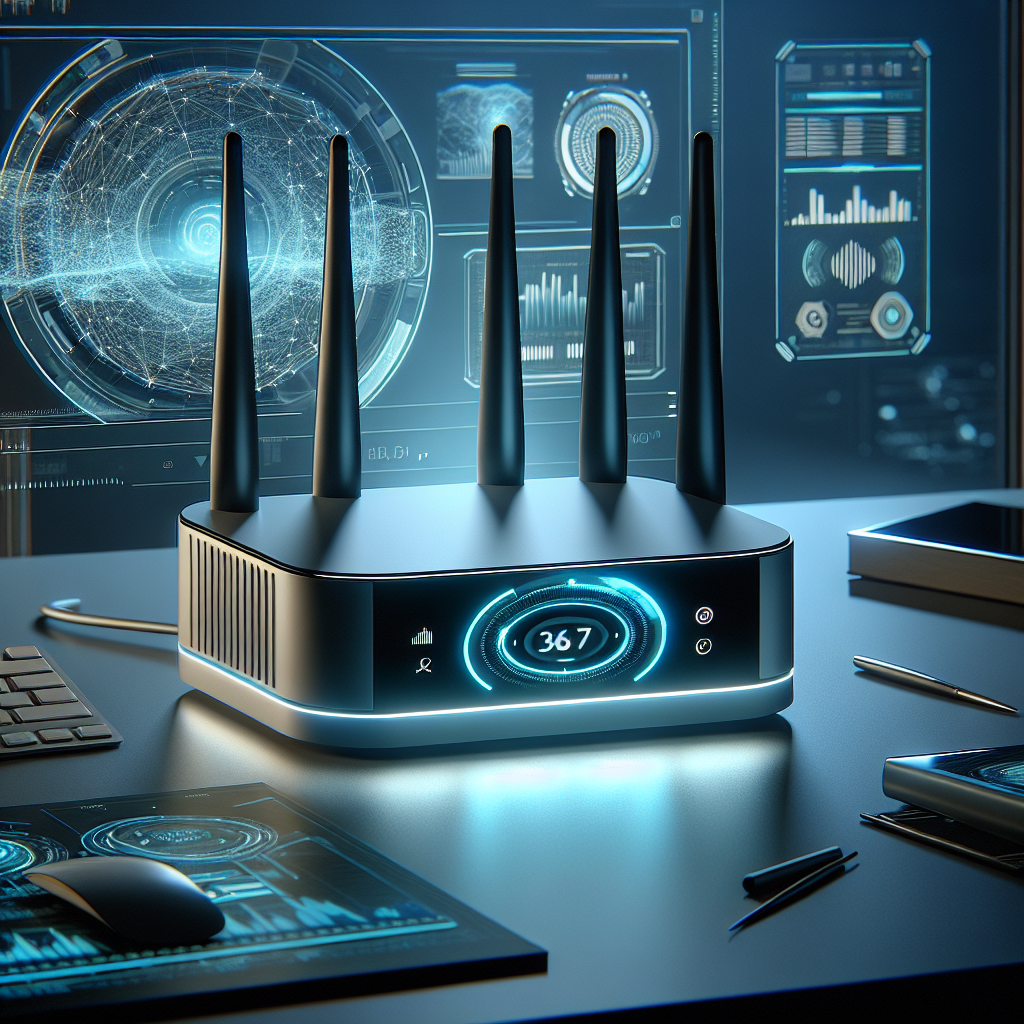
Wi-Fi 7 Routers: The Future of Connectivity in 2025
As we approach 2025, the technology landscape is shifting towards even faster and more reliable wireless networks. Wi-Fi 7, also known as 802.11be, promises to revolutionize connectivity by providing enhanced speeds, lower latency, and improved network efficiency. This article delves into what Wi-Fi 7 routers will bring to the table and how they will shape the future of connectivity.
What is Wi-Fi 7?
Wi-Fi 7 is the upcoming standard in wireless communication, designed to support the increasing demand for high-speed internet and smart device connectivity. Built on the advancements of previous Wi-Fi standards, Wi-Fi 7 introduces several key improvements:
- Higher throughput rates: Up to 46 Gbps
- Lower latency: Improved responsiveness for gaming and real-time applications
- Enhanced efficiency: Better handling of congestion in crowded environments
Key Features of Wi-Fi 7
Wi-Fi 7 comes equipped with several revolutionary features that set it apart from its predecessors:
- Multi-Link Operation (MLO): Allows devices to connect using multiple bands simultaneously.
- 320 MHz Channels: Wider channels open the door for higher data rates.
- 4096-QAM: Increases data transmission efficiency through improved modulation.
- Improved Space-Time Block Coding (STBC): Enhances signal reliability and reduces interference.
Comparison with Previous Wi-Fi Standards
| Feature | Wi-Fi 5 (802.11ac) | Wi-Fi 6 (802.11ax) | Wi-Fi 7 (802.11be) |
|---|---|---|---|
| Max Speed | 3.5 Gbps | 9.6 Gbps | 46 Gbps |
| Channel Width | 80 MHz | 160 MHz | 320 MHz |
| Latency | Average 15 ms | Average 5 ms | Sub 1 ms |
| MIMO | 8×8 MU-MIMO | 8×8 MU-MIMO | 16×16 MU-MIMO |
Use Cases
Wi-Fi 7 will cater to a range of scenarios, making it the go-to solution for various needs:
- Smart Homes: Seamlessly connect multiple smart devices without interference.
- Gaming: Reduce lag and enhance multiplayer experiences with low latency.
- Remote Work: Conduct high-quality video calls and collaborate effortlessly on cloud-based applications.
- Virtual Reality and Augmented Reality: Provide a seamless experience for immersive technologies.
Pros & Cons
Pros
- Blazing fast speeds suitable for bandwidth-heavy tasks
- Improved efficiency in multi-device environments
- Low latency suitable for gaming and real-time applications
Cons
- Higher costs associated with new hardware
- Potential compatibility issues with older devices
- Limited availability of fully supporting devices at launch
Setting Up a Wi-Fi 7 Router
Here’s a step-by-step guide on how to set up your Wi-Fi 7 router:
- Unbox the Router: Remove the router from its packaging and ensure all components are included.
- Connect to Power: Plug the router into an electrical outlet using the provided power adapter.
- Ethernet Connection: If necessary, connect your modem to the router’s WAN port using an Ethernet cable.
- Access the Setup Interface: Use a web browser to navigate to the router’s default IP address (usually found on the router label).
- Create Your Network: Follow on-screen instructions to set up network name (SSID) and password.
- Update Firmware: Check for firmware updates and install them for optimal performance.
- Connect Devices: Begin connecting your devices using the new network settings.
Key Takeaways
- Wi-Fi 7 is set to redefine high-speed wireless communication.
- Significantly higher speeds and lower latency will enhance user experience.
- Compatibility with existing Wi-Fi devices will be a crucial factor during transition.
- The technology will cater to both personal and professional needs, including gaming and remote work.
Conclusion
Wi-Fi 7 routers are poised to revolutionize connectivity by offering unprecedented speeds, efficiency, and low latency. As we move into 2025, embracing this technology could be essential to meet the growing demands for faster and more reliable internet. The improvements in user experience across smart homes, gaming, and remote work make this a pivotal moment in wireless communication.
FAQs
What is the maximum speed of Wi-Fi 7?
The maximum speed of Wi-Fi 7 can reach up to 46 Gbps, significantly faster than its predecessors.
Will Wi-Fi 7 routers support older Wi-Fi devices?
Yes, Wi-Fi 7 routers will be backward compatible with older Wi-Fi standards, allowing you to connect existing devices.
How does Wi-Fi 7 improve gaming experience?
Wi-Fi 7 offers lower latency and faster speeds, which reduce lag and enhance the overall gaming experience.
What is Multi-Link Operation (MLO)?
MLO allows devices to connect using multiple frequency bands simultaneously, increasing data rates and reducing congestion.
When is Wi-Fi 7 expected to be widely available?
Wi-Fi 7 is expected to become widely available by 2025, with many manufacturers releasing compatible devices around that timeframe.
