
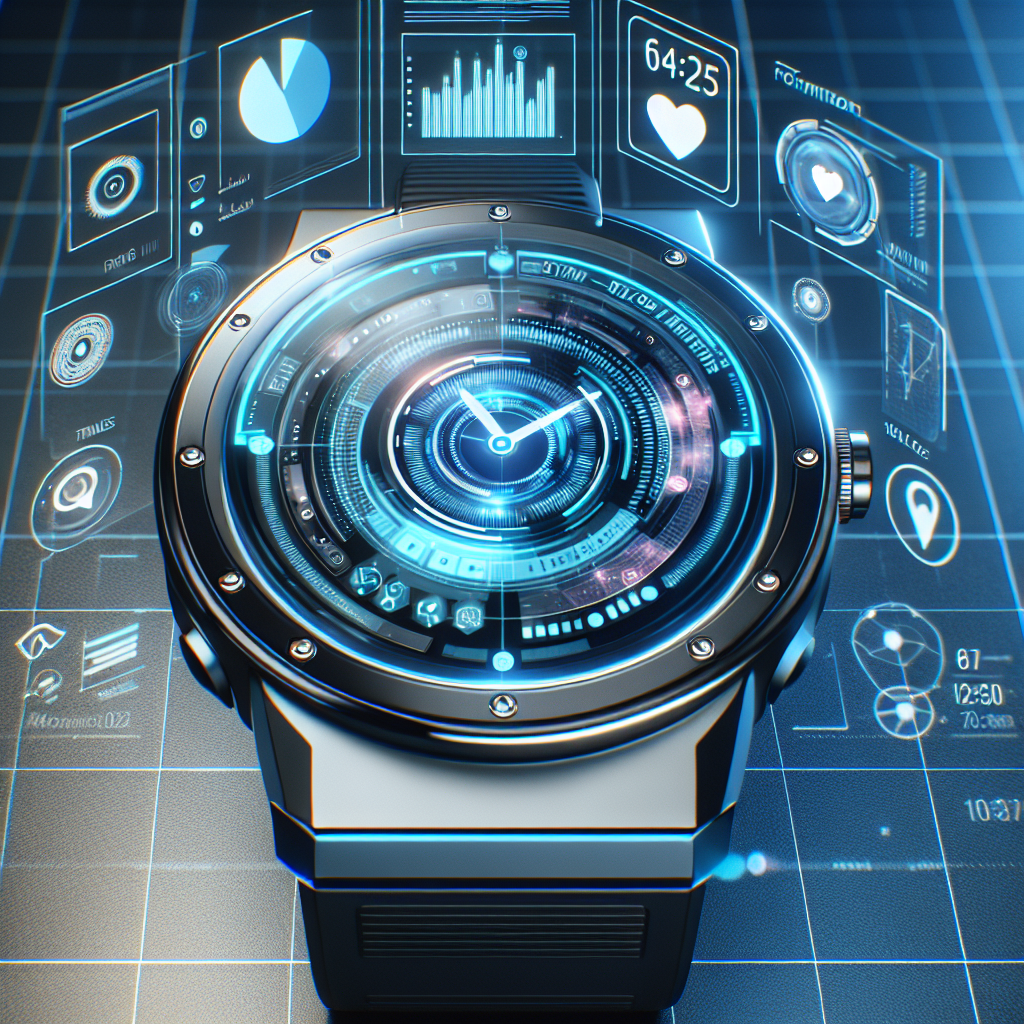
The Future of Smartwatches: What to Expect in 2025
The future of smartwatches remains as intriguing as ever, with rapid advancements poised to redefine how we interact with technology on our wrists. As we look ahead to 2025, various trends and innovations are expected to enhance functionality, style, and user experience.
Emerging Technologies in Smartwatches
By 2025, several technologies are expected to dominate the smartwatch landscape. These innovations will likely include:
- Health Monitoring: Continuous tracking of vital signs like blood glucose and blood pressure.
- Integration with Smart Home Devices: Seamless control of home environments from your wrist.
- Extended Battery Life: Innovations in battery technologies that prolong usage without frequent charging.
Health Features Evolution
The emphasis on health and wellness continues to grow. By 2025, smartwatches are expected to offer:
- Advanced sleep tracking with detailed analytics.
- Real-time health alerts based on AI-driven predictive analytics.
- Integration with telehealth services for instant consultations.
Smartwatch Comparison: 2021 vs. 2025
| Feature | 2021 Smartwatches | Projected 2025 Smartwatches |
|---|---|---|
| Health Monitoring | Heart rate, fitness tracking | Advanced metrics (blood glucose, blood pressure) |
| Battery Life | 1-2 days | Up to 7 days with advanced features |
| Smart Home Integration | Limited | Full control over IoT devices |
| Display Technology | LCD, OLED | Flexible displays with augmented reality capabilities |
Key Takeaways
- Health tracking will move beyond fitness metrics to include more comprehensive health data.
- Smartwatch battery life will significantly improve, making daily charging unnecessary.
- Integration with smart home technology will provide users with unprecedented control.
Pros & Cons of Future Smartwatches
Pros
- Enhanced health features could lead to better preventative care.
- Smart home integration will offer more convenience and control.
- Better battery technology can enhance user experience significantly.
Cons
- Increased reliance on technology may create privacy concerns.
- Complexity of features may overwhelm some users.
- Potential high costs associated with advanced functionalities.
Use Cases for Smartwatches in 2025
Smartwatches are likely to provide a wide range of solutions across various sectors:
- Healthcare: Continuous monitoring of patients, allowing for real-time data sharing with healthcare professionals.
- Fitness: Customizable workout routines based on user health metrics.
- Smart Home Management: Use your smartwatch to adjust lighting, climate, and security settings remotely.
Setup and Use of Smartwatches in 2025
Setting up a smartwatch may involve the following steps:
- Download the companion app on your smartphone.
- Turn on Bluetooth and ensure your smartwatch is in pairing mode.
- Follow the on-screen instructions in the app to connect your smartwatch.
- Customize settings, including notifications, health tracking options, and app integrations.
- Sync your health data preferences to start monitoring.
Conclusion
As we approach 2025, the evolution of smartwatches promises to usher in more functionalities tailored to user health and convenience. With continued advancements in technology, these devices are set to become indispensable tools for daily life.
FAQs
What can I expect in terms of health monitoring features in smartwatches by 2025?
By 2025, smartwatches are anticipated to offer advanced health metrics such as blood glucose monitoring and AI-driven health alerts.
Will smartwatches have longer battery life in the future?
Yes, innovations in battery technologies are expected to allow smartwatches to last up to a week on a single charge.
Can I control my smart home devices with my smartwatch?
Absolutely! Future smartwatches will likely offer extensive integration with smart home devices, allowing for seamless control from your wrist.
Are there any concerns regarding privacy with future smartwatches?
Yes, as smartwatches collect more personal data, privacy concerns may arise, prompting the need for robust security measures.
How user-friendly will smartwatches be with these added features?
While advanced features may seem complex, manufacturers are expected to enhance user interfaces to ensure ease of use for all demographics.
