
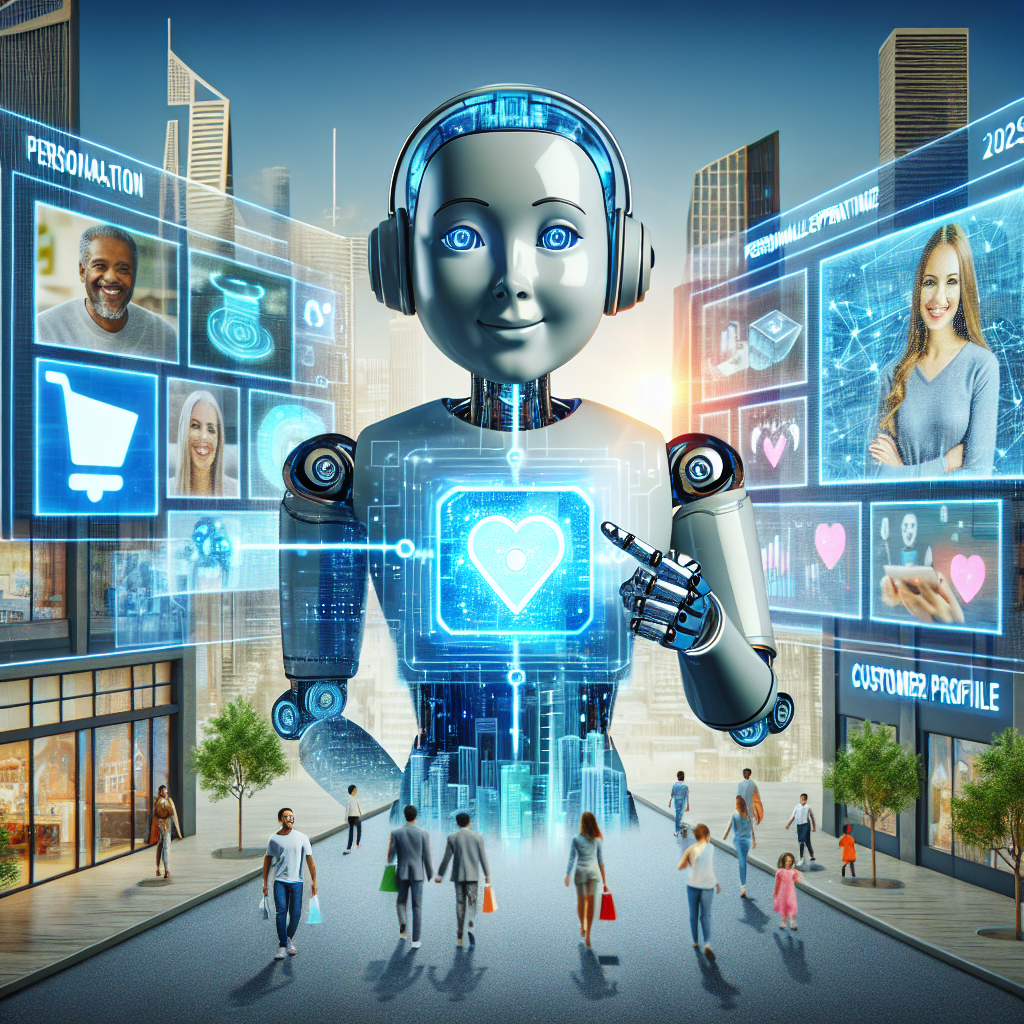
AI-Powered Personalization: The Future of Customer Experience in 2025
As technology evolves, so does the customer experience. By 2025, AI-powered personalization is poised to revolutionize how businesses interact with consumers, tailoring experiences to meet individual needs and preferences. This article explores the future of customer experience through AI-driven tools, offering insights into its potential impacts, use cases, and key takeaways.
What is AI-Powered Personalization?
AI-powered personalization leverages artificial intelligence to analyze customer data and deliver tailored experiences. This approach goes beyond traditional marketing tactics, creating dynamic interactions that resonate with users. Key components include:
- Data Analysis
- Machine Learning
- Real-Time Adaptation
Benefits of AI-Powered Personalization
Integrating AI into personalization strategies can yield substantial benefits:
- Enhanced Customer Engagement
- Increased Conversion Rates
- Improved Customer Retention
- Streamlined Operations
Comparison of Traditional vs. AI-Powered Personalization
| Feature | Traditional Personalization | AI-Powered Personalization |
|---|---|---|
| Data Utilization | Static customer segments | Dynamic, real-time analysis |
| Scalability | Limited by manual processes | Highly scalable with algorithms |
| Customer Insights | Basic demographics | Behavioral predictions and preferences |
| Response Time | Delayed personalized offers | Instant, context-driven recommendations |
Key Takeaways
- AI personalization enhances customer engagement through tailored experiences.
- Real-time data analysis is crucial for effective AI-driven strategies.
- Businesses must balance automation with a human touch for optimal results.
- Adoption of AI tools can lead to higher ROI and customer loyalty.
Pros & Cons of AI-Powered Personalization
Pros
- Increased efficiency and accuracy in targeting customers.
- Ability to forecast trends and consumer behavior.
- 24/7 availability for personalized interactions.
Cons
- Potential privacy concerns regarding data collection.
- High initial costs for implementing advanced technologies.
- Risk of over-reliance on algorithms leading to reduced human interaction.
Use Cases of AI-Powered Personalization
Various industries can benefit from AI-powered personalization. Here are some popular use cases:
- E-commerce: Personalized product recommendations based on previous purchases.
- Healthcare: Tailored treatment plans based on patient data analysis.
- Travel: Customized travel itineraries based on user preferences and past travels.
- Finance: Personalized investment advice and alerts based on market analysis.
Step-by-Step: Implementing AI-Powered Personalization
To effectively implement AI-powered personalization strategies, follow these steps:
- Collect Data: Gather customer data from various touchpoints.
- Choose an AI Tool: Select an AI platform suited to your business needs.
- Analyze Data: Use AI algorithms to analyze customer behavior and preferences.
- Personalize Content: Create dynamic content based on analysis.
- Test and Optimize: Continuously monitor the effectiveness and make necessary adjustments.
Conclusion
In the rapidly evolving landscape of customer experience, AI-powered personalization stands out as a pivotal trend. By 2025, embracing this technology will be crucial for businesses aiming to foster deep connections with customers and stay competitive. With its multitude of benefits and innovative approaches, AI is set to redefine how brands engage with their audiences.
FAQs
What industries benefit the most from AI-powered personalization?
E-commerce, healthcare, travel, and finance are among the top industries leveraging AI for personalized experiences.
How does AI personalize customer experiences in real-time?
AI analyzes customer interactions and data to deliver tailored recommendations instantly, adapting to preferences as they change.
What are potential privacy concerns with AI-powered personalization?
Data collection and usage can raise privacy issues; businesses must ensure transparent practices and compliance with regulations.
Can small businesses implement AI-powered personalization?
Yes, there are scalable AI solutions available for small businesses that provide affordable and effective personalization tools.
What is the primary challenge businesses face while integrating AI?
The main challenges include high initial costs, the need for staff training, and managing data privacy concerns.
If you’re interested in diving deeper into this topic, join the conversation on the FileDevice Forum to discuss AI-powered personalization and its implications for the future of customer experience.
